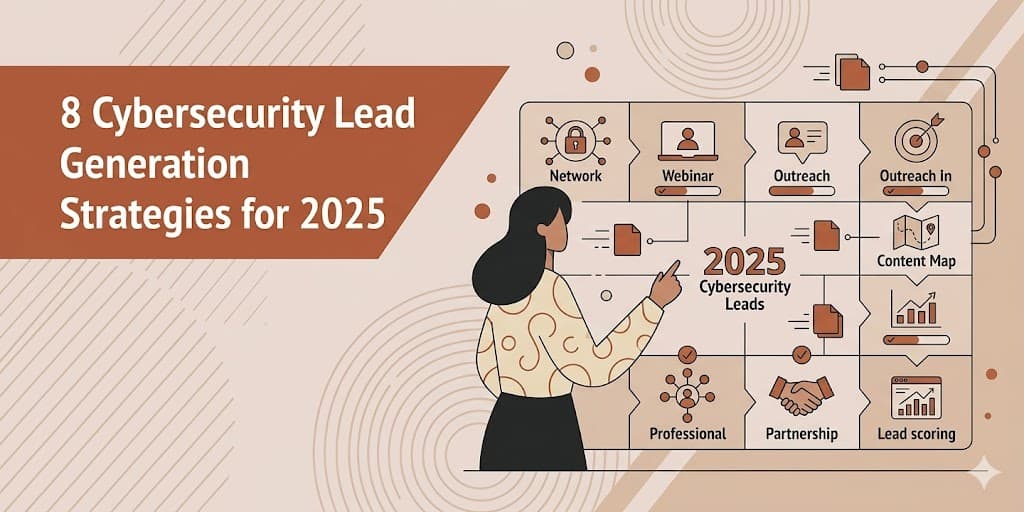
As AI-driven threats accelerate, cybercrime costs are projected to hit $10.5 trillion — placing immense pressure on IT leaders to not only secure their environments but also optimize performance with fewer resources. Today's cybersecurity buyers are more informed and self-directed than ever, making it increasingly difficult for vendors to differentiate themselves in a saturated market.
1. Build Brand Awareness Early
Your brand sets the stage for sales. Roughly seven out of 10 tech buyers say internal alignment is easier when stakeholders already know the brand. Even with limited budgets, investing in brand awareness pays dividends. Video performs well for awareness, but it's vulnerable to ad fatigue — supplement it with channels like podcasts and display to increase reach and minimize burnout.
2. Market to the Full Buying Committee
Buying decisions are rarely made in isolation. On average, 28 people are now involved in B2B tech purchases, and with most buyers 70% through their journey before contacting sales, many committee members never interact with your team directly. Focus lead-gen efforts on core decision-makers through paid search, LinkedIn and industry media, while reaching peripheral stakeholders through brand campaigns and thought leadership.
3. Emphasize Automation to Address Talent Gaps
A global shortage of 3.4 million cybersecurity professionals means buyers are actively seeking solutions that can ease implementation and automate complex tasks. Highlight automation and ease-of-use benefits prominently in creative, particularly for executive personas concerned with resource gaps.
4. Balance ABM With Scalable Reach
ABM remains a powerful tactic, but hyper-targeting can be limiting in a dynamic market. Given shifting roles and frequent reorganizations, strict ABM targeting can miss valuable prospects. Pair ABM with broader category-based targeting — by industry, pain point or job function — to expand reach while keeping messaging relevant.
5. Turn Case Studies Into Webinars That Convert
63% of tech buyers trust recommendations from peers, and 62% of marketers say case studies are top-performing assets. Webinars elevate these stories by layering credibility with real-time engagement. Partner with industry publications to amplify promotion and drive registrations across media, email and social.
6. Prioritize Content Creation and Distribution
Cybersecurity buyers consume an average of seven content assets before purchase, up from five in 2019. Yet only 20% of companies have dedicated content staff. Prioritize research studies, customer stories and thought leadership that build trust. Even the best content fails without a distribution strategy — invest equally in promotion via syndication, paid social and email.
7. Highlight Competitive Differentiation Late in the Funnel
Half of tech buyers are open to switching vendors if a competitor offers stronger features or innovation. Use product-focused webinars, demos, comparison charts and feature-driven thought leadership to help decision-makers make confident choices. Amplify these assets via LinkedIn and industry media placements.
8. Build Thought Leadership to Establish Trust
Trust is currency in cybersecurity. As threats evolve, buyers look for experts who can keep pace. Use LinkedIn thought leadership ads and industry partnerships to position your subject matter experts as credible, forward-thinking voices. Industry associations and partner-sponsored webinars also offer high-value avenues to engage target audiences while reinforcing trust.
The Bottom Line: Sophisticated Buyers Expect Sophisticated Marketing
In a crowded cybersecurity market, precision marketing drives results. By aligning your content, targeting and creative strategy to the realities of today's B2B buying journey, you not only generate leads — you build credibility that accelerates sales.